

 Myopia management
 Dry Eye Treatment

Why Do My Eyes Feel Drier During Certain Seasons?
Blog:Why Do My Eyes Feel Drier During Certain Seasons?
Why Do My Eyes Feel Drier During Certain Seasons?
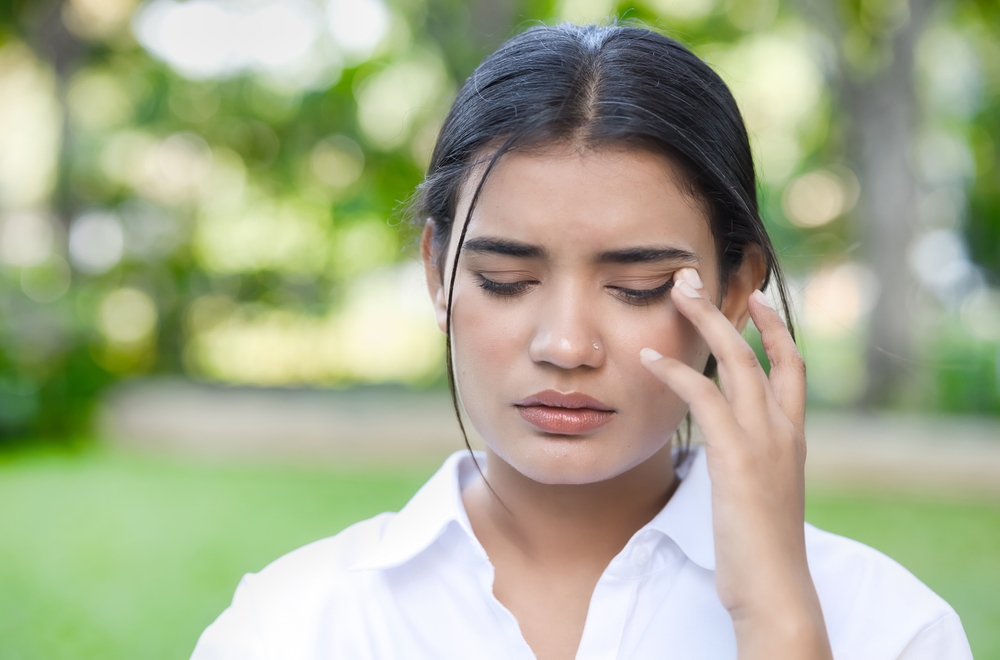
If you’ve ever noticed your eyes feeling itchy, gritty, or irritated during certain times of the year, you’re not alone. Many people experience seasonal dry eye, a common condition where environmental changes impact how well your eyes stay lubricated. Understanding why your eyes feel drier in specific seasons can help you take the right steps to keep your vision comfortable year-round.
How the Seasons Affect Dry Eyes
During the fall, humidity levels often drop, and cooler air begins to dry out the eyes. This is also the time when many people start spending more time indoors with heating systems running - another major cause of dryness.
Cold winter air holds less moisture, and indoor heating systems make things worse by reducing humidity even more. The result is a harsh environment for your eyes, especially for contact lens wearers who may notice discomfort more easily.
While spring brings blooming flowers and warmer weather, it also comes with higher pollen counts and allergens. These can trigger allergic reactions that make your eyes red, itchy, and dry. Summer heat, combined with increased time in air conditioning or windy outdoor environments, can also accelerate tear evaporation.
What You Can Do to Relieve Seasonal Dryness
Use a humidifier: Add moisture to the air in your home or office to prevent your tears from evaporating too quickly.
Stay hydrated: Drinking enough water helps maintain proper tear film production.
Wear sunglasses outdoors: They protect your eyes from wind and sunlight, both of which can worsen dryness.
Use artificial tears: Over-the-counter lubricating drops can offer quick relief for mild dryness.
Limit exposure to heating and cooling vents: Direct airflow from these systems can dry out your eyes faster.
Manage allergies: If your dry eyes are allergy-related, using allergy medication or eye drops recommended by your optometrist can make a big difference.
When to See Your Eye Doctor
Occasional dryness is common, but if your symptoms persist or worsen, it’s important to schedule an eye exam. Chronic dry eye can be a sign of underlying conditions such as meibomian gland dysfunction or ocular surface inflammation. An optometrist can determine the cause and recommend targeted treatments like prescription drops, punctal plugs, or in-office therapies designed to improve tear quality and comfort.
Protect Your Eyes in Every Season
Seasonal changes can significantly impact your eye comfort, but understanding the causes and taking proactive steps can help you manage dryness year-round. With professional care, you can protect your eyes from seasonal irritation and maintain clear, comfortable vision.
If you’re battling with dry eye and seasonal allergies, schedule a consultation with Texas State Optical and find lasting relief from your symptoms. Visit our office in Nacogdoches, Texas, or call (936) 564-2634 to book an appointment today.
Quick Links
Helpful Articles
article_category: products
article_category: psychiatry
article_category: faqs
article_category: cats
article_category: general
article_category: services
article_category: technology
article_category: dogs
article_category: restorative
article_category: vision therapy
article_category: contact lenses
article_category: health
article_category: conditions
article_category: eye surgery co-management
article_category: exotic
article_category: cosmetic
article_category: surgical procedures
article_category: aesthetics
article_category: preventative
article_category: ocular disease management
article_category: eyeglasses
article_category: eye health
article_category: large animal
[]
article_category: psychiatry
article_category: faqs
article_category: cats
article_category: general
article_category: services
article_category: technology
article_category: dogs
article_category: restorative
article_category: vision therapy
article_category: contact lenses
article_category: health
article_category: conditions
article_category: eye surgery co-management
article_category: exotic
article_category: cosmetic
article_category: surgical procedures
article_category: aesthetics
article_category: preventative
article_category: ocular disease management
article_category: eyeglasses
article_category: eye health
article_category: large animal
[]
Flowbite is an open-source library of interactive components built on top of Tailwind CSS including buttons, dropdowns, modals, navbars, and more.
Check out this guide to learn how to get started and start developing websites even faster with components on top of Tailwind CSS.
All Eyecare Services
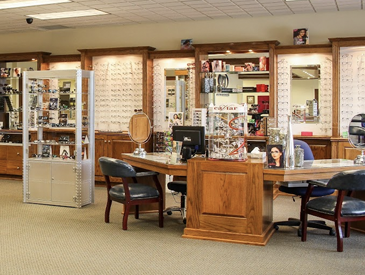
We offer a wide variety of eye care services to the Nacogdoches community. Contact us with any questions about our services.
Keep In Touch
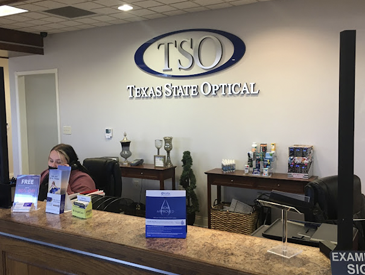
For non-urgent questions or to learn more about our services, contact us today!

Contact Information
Office Hours
- Monday 8:00 AM - 5:00 PM
- Tuesday 8:00 AM - 5:00 PM
- Wednesday 8:00 AM - 5:00 PM
- Thursday 8:00 AM - 5:00 PM
- Friday 8:00 AM - 2:00 PM
- Saturday Closed
- Sunday Closed
- Monday 9:00am - 6:00pm
- Tuesday 9:00am - 6:00pm
- Wednesday 9:00am - 6:00pm
- Thursday 9:00am - 6:00pm
- Friday 9:00am - 6:00pm
- Saturday 10:00am - 2:00pm
- Sunday Closed
- Monday 8:00am - 5:00pm
- Tuesday
- Wednesday
- Thursday
- Friday
- Saturday
- Sunday
© 2026 Texas State Optical. All rights Reserved - Accessibility Statement - Privacy Policy - Sitemap
Managed and Designed by 