

 Myopia management
 Dry Eye Treatment

Night Driving Glare: When to Get Your Eyes Checked
Blog:Night Driving Glare: When to Get Your Eyes Checked
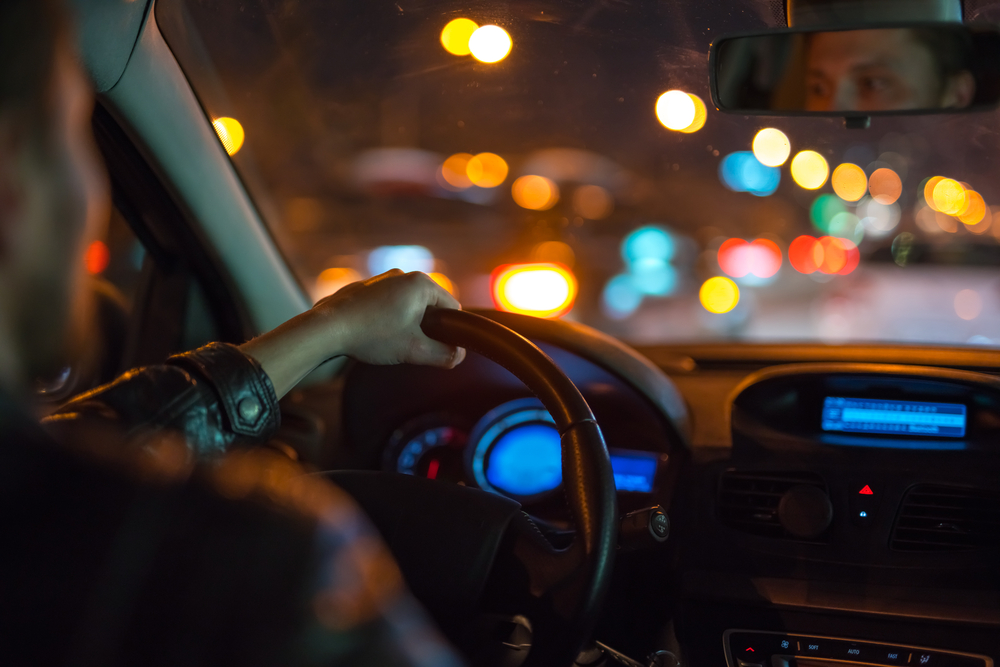
Night Driving Glare: When to Get Your Eyes Checked
If you could once read your street sign from a block away but now lose sight of it when a car approaches, it’s time for an eye exam. At our Nacogdoches office, we can check what’s causing that glare, even if you still see clearly in daylight.
Why Headlights Can Look Streaky or Hazy
Several eye conditions can make bright lights harder to see past. What you notice on the road gives us clues about where to look.
Astigmatism. When the eye focuses light unevenly, headlights may look stretched or streaky. You might also notice that the letters on road signs look blurred, even with your glasses on.
Dry eye. Your tears form a smooth surface that helps focus light. If that surface dries out between blinks, your view may turn hazy, then clear briefly when you blink.
Cataracts. A cataract clouds the lens inside your eye and scatters light. You may notice halos around streetlights or find that a pair of headlights washes out your view of the lane ahead.
When to Call and When to Seek Emergency Care
Call for an eye exam if night driving glare keeps happening, gets worse, or has you planning errands around sunset. If you can’t see lane markings or pedestrians clearly while driving, pull over when it’s safe and arrange another ride.
If you suddenly lose vision or develop new halos along with severe eye pain, a red eye, or nausea, seek emergency care right away. Have someone else take you to the emergency department.
What We Check During Your Eye Exam
Bring the glasses you use for driving and tell us when the glare started. We’ll check how clearly you see with your current prescription, look at how evenly your tears coat your eyes, and examine each eye’s lens for clouding. Depending on what we find, we may update your prescription, recommend dry eye treatment, or discuss whether a cataract evaluation would help.
If headlights are making a familiar drive feel uncertain, call Texas State Optical in Nacogdoches, TX, at (936) 296-2600 to schedule your eye exam.
Quick Links
Helpful Articles
article_category: restorative
article_category: vision therapy
article_category: contact lenses
article_category: health
article_category: conditions
article_category: eye surgery co-management
article_category: exotic
article_category: cosmetic
article_category: products
article_category: psychiatry
article_category: faqs
article_category: cats
article_category: general
article_category: services
article_category: technology
article_category: dogs
article_category: surgical procedures
article_category: aesthetics
article_category: preventative
article_category: ocular disease management
article_category: eyeglasses
article_category: eye health
article_category: large animal
[]
Flowbite is an open-source library of interactive components built on top of Tailwind CSS including buttons, dropdowns, modals, navbars, and more.
Check out this guide to learn how to get started and start developing websites even faster with components on top of Tailwind CSS.
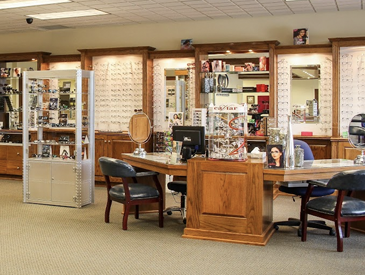
All Eyecare Services
We offer a wide variety of eye care services to the Nacogdoches community. Contact us with any questions about our services.
Keep In Touch
For non-urgent questions or to learn more about our services, contact us today!

Contact Information
Office Hours
- Monday 8:00 AM - 5:00 PM
- Tuesday 8:00 AM - 5:00 PM
- Wednesday 8:00 AM - 5:00 PM
- Thursday 8:00 AM - 5:00 PM
- Friday 8:00 AM - 2:00 PM
- Saturday Closed
- Sunday Closed
- Monday 9:00am - 6:00pm
- Tuesday 9:00am - 6:00pm
- Wednesday 9:00am - 6:00pm
- Thursday 9:00am - 6:00pm
- Friday 9:00am - 6:00pm
- Saturday 10:00am - 2:00pm
- Sunday Closed
- Monday 8:00am - 5:00pm
- Tuesday
- Wednesday
- Thursday
- Friday
- Saturday
- Sunday
© 2026 Texas State Optical. All rights Reserved - Accessibility Statement - Privacy Policy - Sitemap
Managed and Designed by 